
Living Lake Project
Artist Fellowship
10 Artists across Kootenai, Shoshone, and Benewah Counties
Uniting arts, culture, and environmental stewardship to protect our shared watershed and Coeur d’Alene Lake
Creative exploration of environmental data, history, and living culture
Collaborative
energy and community engagement
Stories that inspire stewardship and collective action
We're excited to share that we've been selected as a Thriving Communities grantee! This EPA-funded program supports local solutions to public health and environmental challenges, and this opportunity lets us continue work our community has been leading for a long time.
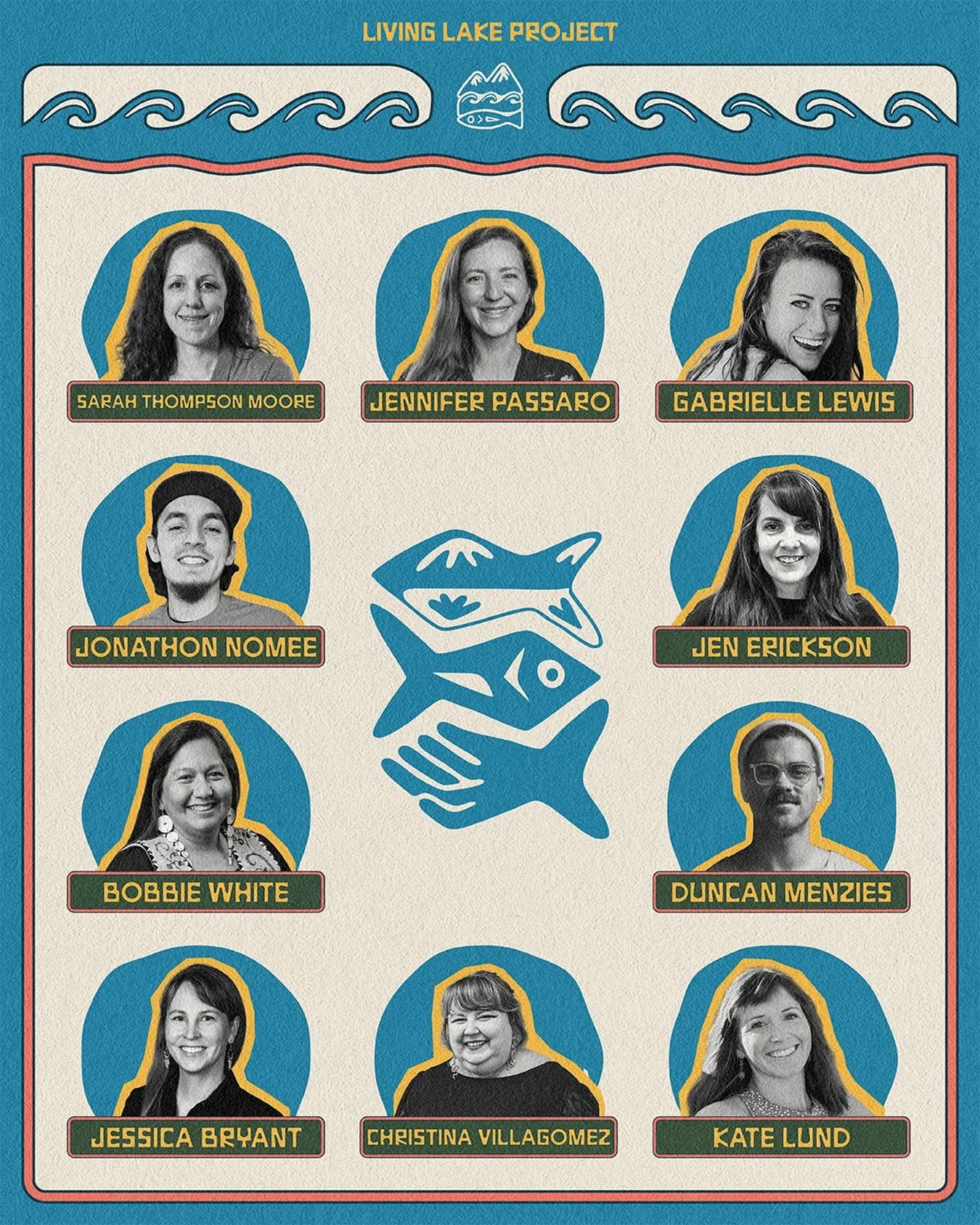
The Living Lake Project is a 15-month fellowship led by the Coeur d'Alene Arts & Culture Alliance, in partnership with the Idaho Department of Environmental Quality and the Coeur d'Alene Tribe Natural Resources Department. Ten artists from Kootenai, Benewah, and Shoshone Counties are exploring the health of Lake Coeur d'Alene through field trips, research, and hands-on learning.
The goal: spark awareness and collective action to protect the waters that sustain us all.
Made possible by a Thriving Communities Grant from EPA, administered by Philanthropy Northwest.

Living Lake Project Steering Committee:
Jamie Brunner (Idaho DEQ), Jason Fales (Idaho DEQ), Laura Laumatia (CDA Tribe Natural Resources Department), LoVina Louie (CDA Tribe Natural Resources Dept. Education Outreach), Tracy Ortiz (J.U.B. Engineering/the Langdon Group), Jill McFarlane (Artist & Friends of the Idaho Panhandle Avalanche Center), Brandi Mayes (Kootenai Environmental Alliance & Artist), Jaiden Haley (Artist & Director of Operations at Emerge), Sharon Bosley (Executive Director of the Basin Commission), Lindsey Beacham (Idaho Water Resources Research Institute), Paige Olson (Silver Valley Economic Development Corporation), Mary Francis Dondelinger (Professional Artist), Britt Thurman (Museum of North Idaho), Caitlyn Embree (Idaho Conservation League), Jake Garringer (University of Idaho-CDA office, Director of Strategic Engagement)
Official Living Lake Project website coming soon! Follow @livinglakeproject on Instagram to meet the fellows and stay updated!
Want to support this project? Let’s connect!
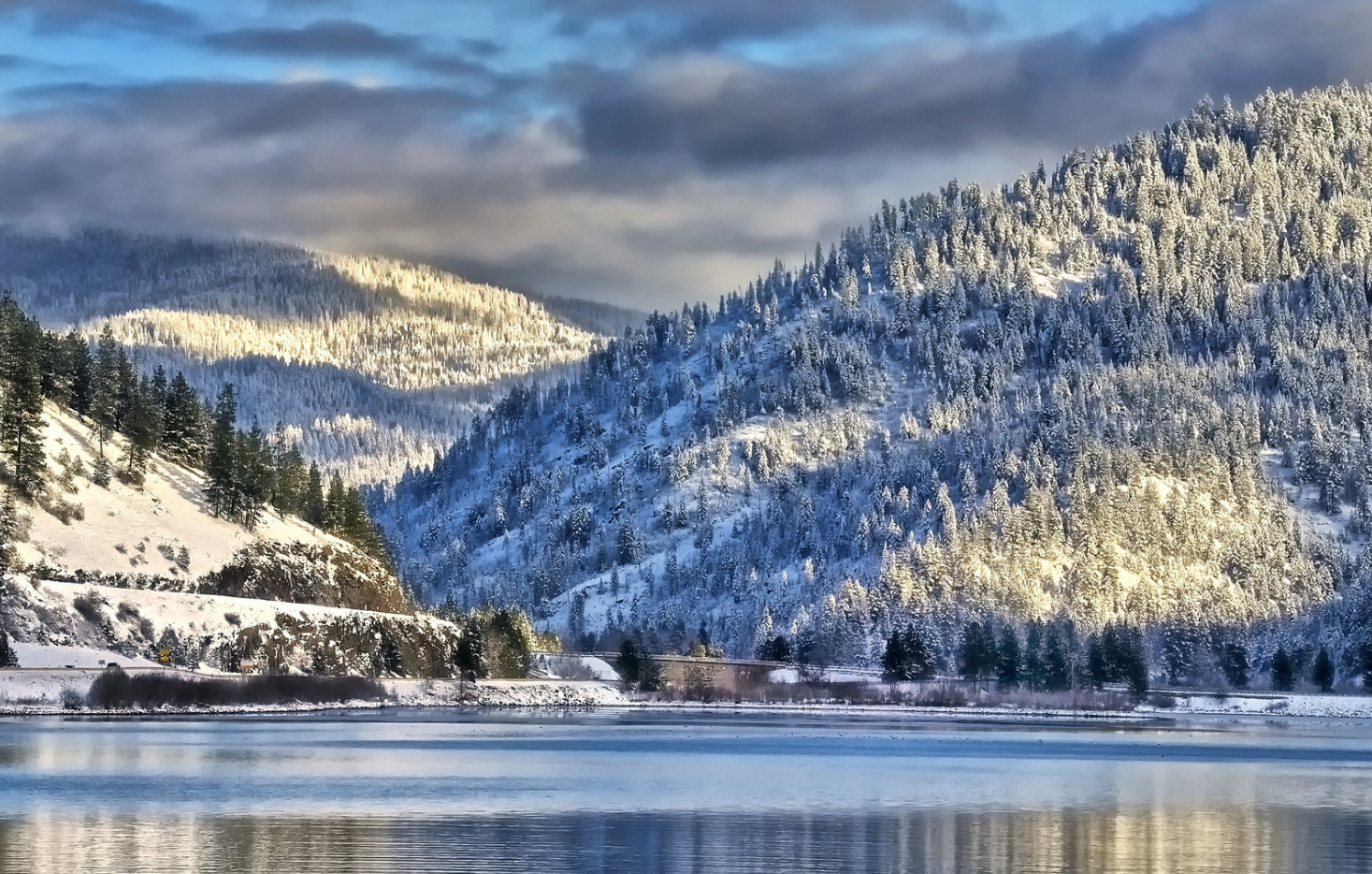
Photo by Eric Kensbock, courtesy of enjoycoeurdalene.com
Frequently Asked Questions
-
The Living Lake Project adapts proven models of creative environmental stewardship to:
Make complex environmental data accessible through artistic interpretation
Build bridges between traditional ecological knowledge, Indigenous wisdom, and Western science
Create culturally relevant engagement opportunities that inspire action
Develop ongoing channels for community input and participation
Document community stories and connections to the lake
Generate collaborative solutions across jurisdictions and stakeholders
What we hope to achieve with this project overall:
Enlivening, animating, revitalizing, and bringing attention to our shared watershed, lake, and problems affecting the lake
Raising awareness of issues facing Coeur d’Alene Lake and our shared watershed
Fostering connection and interaction across generations, cultures, issues, geography, etc.
Building participation in a serious public health issue
Collaborating with new or existing partners or communities
Bringing new art into the world that informs, inspires, and educates
-
Projects may include (but are not limited to):
Collaborative works with environmental experts that visualize or interpret lake data
Mobile or site‑specific exhibitions
Performances, festivals, or public gatherings
Youth or intergenerational education programs
Community storytelling or documentation projects
Examples of environmental art practices that inspired this fellowship can be found in The Art of Environmental Stewardship by Springboard for the Arts:https://springboardforthearts.org/wp-content/uploads/2024/04/Springboard-for-the-Arts-The-Art-of-Environmental-Stewardship-2024.pdf
-
Coeur d’Alene Lake, located in Idaho’s Panhandle, has long been a hub for recreation, tourism, and economic activity. The area is also home to historical mining activity, and millions of tons of metals-laden sediments (e.g., zinc, lead, and cadmium) are present in the lake bottom. Recent land uses continue to contribute to excess nutrient loading, especially phosphorus. Elevated phosphorus levels can affect the chemistry in deep water near the lakebed where these heavy metals are contained. The change in chemistry could lead to low oxygen levels that unlock these metals and release them into the environment.
Although water quality in the lake has improved over the last several decades, phosphorus levels have been increasing. Managing phosphorus levels is critical to protecting the health of Coeur d’Alene Lake. In 2021, Governor Little established the Coeur d’Alene Lake Advisory Committee and directed $2 million in Leading Idaho funds for projects that reduce phosphorus and improve water quality in Coeur d’Alene Lake. The following year, Idaho directed an additional $35 million from the American Rescue Plan Act funds to further the Leading Idaho effort.
The Coeur d’Alene Lake Advisory Committee solicited project proposals in August 2021 and recommended funding for 19 cleanup projects. DEQ is currently working with funding recipients to implement these projects, which will take place through 2026.
DEQ’s Coeur d’Alene Lake Advisory Committee storymap provides more information about ongoing cleanup projects.
Learn more on the Idaho DEQ’s website here: https://www.deq.idaho.gov/leading-idaho-and-the-coeur-dalene-lake/
-
The Silver Valley is one of the oldest and largest mining and smelting communities in the country. Mining began in the mid to early 1880s with cleanup starting nearly 100 years later in what is now known as the Bunker Hill/Coeur d’Alene Basin Superfund Site.
The Bunker Hill Superfund Site in North Idaho lies upstream within the Coeur d’Alene Lake watershed. Decades of mining and milling operations released contaminated waste into the South Fork of the Coeur d’Alene River, resulting in the accumulation of nearly 80 million metric tons of metals in the lake’s sediments. The site spans 166 river miles (including Coeur d’Alene Lake) across northern Idaho and eastern Washington and covers roughly 1,500 square miles, making it one of the largest Superfund sites in the nation.
The Bunker Hill Superfund site reflects over a century of intensive mining and smelting in the Silver Valley, where more than 60 million tons of metal-contaminated tailings and over 100 million tons of mine waste—including 2.4 billion pounds of lead—were released into rivers, floodplains, and surrounding lands. These operations left an area of more than 15,000 acres with lead levels toxic to wildlife and widespread contamination of residential soil. The Bunker Hill Smelter was also the source of the worst childhood lead-poisoning event in U.S. history after a 1973 baghouse fire led to months of unfiltered smelter emissions. By 1974, nearly all tested children had elevated blood lead levels, prompting urgent public-health intervention and ultimately contributing to the site’s federal Superfund designation.
The EPA—working with the Idaho Department of Environmental Quality, tribal partners, and work trust partners—manages the Bunker Hill Superfund Site through three operable units. Because contamination is extensive and often deeply embedded, cleanup relies on strategies such as partial soil removal, placement of clean barrier layers, containment systems, water treatment, secure waste repositories, flood-control improvements, and institutional controls designed to maintain protective barriers and manage long-term risks.
Visit the Bunker Hill/Coeur d’Alene Basin Superfund Site website to learn more about limiting exposure and keeping your family healthy. Keep Clean, Eat Clean, Play Clean!
https://www.deq.idaho.gov/waste-management-and-remediation/mining-in-idaho/play-clean-in-the-coeur-dalene-basin/
We encourage you to read through the RFQ and RFQ FAQ thoroughly. If you have questions, feel free to reach out!